used-tissue-machine-buying-guide
Used Tissue Machine Buying Guide: 15 Checks Before You Pay
Buying a used tissue machine can save a lot of money compared with a new line. It can also help a factory start production faster. But the saving only makes sense if the machine fits your product, arrives in workable condition, and has been checked before shipment.
This guide is written for buyers comparing a used tissue paper machine, used toilet paper machine, or other second hand tissue converting machine from overseas suppliers. Use it before you pay a deposit, not after the container has already left.
Stage 1: Confirm What You Actually Need
Before asking for prices, make sure the machine matches your market. Many buying mistakes start here. A machine can be in good condition and still be the wrong machine for your factory.
1. Choose the Product Type First
Decide what you want to produce: toilet paper rolls, facial tissue, napkins, kitchen towels, hand towels, or jumbo roll slitting. Each product needs a different machine layout.
For example, a used toilet paper rewinder is not the same as a facial tissue interfolder. A napkin machine may need embossing and folding units. A paper towel line may need different perforation, folding, and packing arrangements. Ask the supplier to confirm exactly what finished product the machine has been running.
2. Match Capacity to Your Sales Plan
Do not buy only by maximum speed. Ask for practical output under normal running conditions. A machine listed at high speed may not run at that speed with your paper quality, operator skill, or product size.
Check:
- Machine speed during actual production
- Finished rolls, packs, or logs per hour
- Recommended paper GSM range
- Expected downtime for blade change, glue cleaning, or roll change
If your market is still small, a medium-capacity reconditioned tissue machine may be a better choice than a larger machine that ties up cash and factory space.
3. Confirm Product Size and Paper Width
Check the finished roll diameter, sheet length, sheet width, paper web width, core diameter, and packing size. These details affect whether the product can be sold in your local market.
Ask the supplier to write these numbers in the quotation. A simple phrase like “standard size” is not enough, because standards change from country to country.
4. Check Factory Space, Voltage, and Air Supply
Confirm the machine footprint, operator space, maintenance space, and loading path into your workshop. For electrical supply, check voltage, phase, frequency, total power, and control voltage.
Also ask whether the machine needs compressed air. If yes, confirm air pressure and compressor capacity. Power mismatch is one of the most common avoidable problems when importing a second hand tissue machine.
Stage 2: Inspect the Machine and Supplier
Once the machine fits your product plan, the next job is to check whether the equipment and supplier are reliable.
5. Inspect the Machine Condition by System
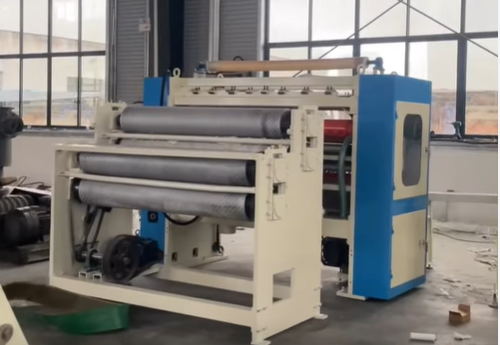
Do not judge only from a front photo. Ask for close photos or video of the frame, rollers, bearings, chains, belts, cutting parts, embossing rollers, glue system, pneumatic parts, and electrical cabinet.
For a more detailed inspection process, use this anchor in your website content: how to inspect a second hand tissue machine before purchase.
Pay special attention to wear parts. A used tissue machine does not need to look new, but the important running parts should be clean, straight, and serviceable.
6. Ask for a Real Test-Run Video
Never buy a used tissue machine for sale if you only see old photos. A useful test-run video should show:
- The full machine from a wide angle
- The paper feeding and web path
- Embossing, glue, cutting, perforation, or folding sections
- Finished product coming out of the machine
- The HMI or control panel during running
- Several minutes of continuous operation, not only a short start-up clip
If the supplier says the machine has been reconditioned, the video should show the machine running after reconditioning.
7. Get Specifications in Writing
Ask for written specifications before you compare quotations. Confirm machine model, year if available, paper width, speed, output, product range, power, dimensions, weight, and included accessories.
If two suppliers quote different prices, compare the same scope. One quote may include repair work, packing, spare parts, and loading. Another may only include the machine as-is.
8. Check Spare-Parts Support
A second hand tissue machine is easier to maintain if common parts are available. Ask about the brands of PLC, inverter, servo, motor, bearing, pneumatic parts, blades, belts, and sensors.
For mechanical wear parts, ask whether drawings or part sizes can be provided. For electrical parts, confirm whether replacements are available in your country.
9. Judge the Supplier’s Answers
A serious supplier will answer technical questions clearly. They should be able to provide photos, test videos, machine details, and packing information without avoiding simple requests.
Be careful if the seller:
- Refuses to show the machine running
- Only sends old or unclear videos
- Cannot confirm voltage or machine width
- Pushes for payment before providing details
- Does not explain what repair work is included
These issues often become bigger after payment.
Stage 3: Confirm Price and Payment Terms
Commercial terms are not just paperwork. They decide what you are really buying and when the risk moves to you.
10. Understand What the Price Includes
Ask whether the price includes inspection, cleaning, repainting, roller repair, blade replacement, electrical repair, spare parts, wooden packing, loading, and export documents.
Also confirm the trade term, such as EXW, FOB, CFR, or CIF. A low EXW price may become more expensive after inland transport, packing, and loading charges are added.
11. Use Payment Milestones
For international orders, common payment methods include T/T and L/C. A practical T/T structure often includes a deposit, balance after test-run approval, and shipment after payment.
Keep the balance tied to evidence: running video, inspection photos, packing photos, and loading photos. This protects both buyer and seller.
12. Confirm Lead Time for Reconditioning
If the machine is being repaired or reconditioned, ask how long each step will take. Good suppliers need time for cleaning, changing wear parts, testing, painting, packing, and booking shipment.
A realistic lead time is better than a fast promise that later becomes a delay.
Stage 4: Check Shipment and After-Sales Support
A deal is not finished when the invoice is paid. The machine still has to survive transport, customs, installation, and start-up.
13. Check Packing and Rust Protection
Used tissue converting machines often have long frames, rollers, electrical cabinets, and moving parts. Ask how the supplier protects them during ocean freight.
Good packing should include cleaning, anti-rust treatment, plastic wrapping, fixed parts, wooden cases where needed, and secure loading inside the container.
14. Confirm Export Documents
Ask for the commercial invoice, packing list, bill of lading, and any customs documents required in your country. If your country needs special certificates, confirm them before shipment.
Wrong paperwork can delay customs clearance even when the machine itself is ready.
15. Clarify Installation and Support
Before shipment, ask what support is included after arrival. This can include installation drawings, wiring diagrams, remote video support, spare-parts supply, and operator guidance.
If this is your first used tissue machine, remote support during installation is not a small detail. It can save days of confusion on wiring, threading, tension setting, and trial production.
Quick Buying Checklist
| Check Area | What to Confirm |
|---|---|
| Product fit | Product type, size, paper width, capacity |
| Factory fit | Floor space, voltage, power, compressed air |
| Machine condition | Frame, rollers, blades, controls, wear parts |
| Supplier proof | Photos, current test-run video, written specs |
| Commercial terms | Price scope, Incoterms, payment milestones |
| Shipment | Packing, rust protection, loading photos, documents |
| Support | Installation guidance, spare parts, remote service |
Frequently Asked Questions
What is the biggest mistake when buying a used tissue machine?
The biggest mistake is paying before seeing the machine run. A current test-run video tells you much more than polished photos.
Is a reconditioned tissue machine better than an as-is machine?
Usually yes, if the reconditioning work is real and documented. Ask what parts were repaired or replaced, and ask to see the machine running after the work.
How do I compare two used tissue machine quotes?
Compare the same scope: machine condition, included repair work, spare parts, packing, loading, Incoterms, and support. A lower price is not always cheaper.
Send the Right Details Before Asking for Price
When you contact a supplier, send your target product, paper width, finished size, expected capacity, voltage, and destination port. With those details, the supplier can recommend a suitable used tissue machine instead of guessing.
Yichun Chuangcheng Machinery Equipment Co., Ltd. can share machine specifications, current photos, condition details, and real test-run videos for available used tissue machines.
Looking for a used tissue machine?
Get real test-run videos, full specs, and a fast FOB quote.
Get a Quote